


How we make your next product perfect.

Testing
In order to determine the most suitable compounds for your production method, we subject the samples we receive from you to various tests and develop the most suitable specifications for the compounds.

Prototyping
By prototyping the granules we have developed in accordance with the specifications you request, we prevent quality-related disruptions in your production line.

Manufacturing
We produce the granules formulated in accordance with the final specifications in the minimum production quantities we have determined and deliver them to you in the fastest time.

Make your product quality consistent with in the scope of KP-LAB™
How can we achieve the highest quality in our product lines? Our experience in the research process, which we started with the question, brought us to KP-LAB, which will ensure consistent quality in all product groups. Thanks to our laboratory equipped with high technology in the field of quality control and R&D, and our expert staff, we have the technical knowledge and opportunity to formulate all kinds of products suitable for customer needs with the highest quality. Thanks to KP-LAB, we anticipate the reactions of our products at all stages where they are exposed to function and design our formulas to reach perfect quality.
You are in safe hands with the globally accredited lab
As Keremplast family, we continue to produce PVC granules consistently. We retain our stable product quality together with our business partners that we have been working with for years in the production of PVC granules. While producing these granules, we test all of our products in our own laboratory in accordance with European standards (REACH & ROHS), and we make our products ready for use as soon as possible.

General Application and Control Tests
The weight of the plastic granule is measured in air and alcohol environments, respectively, and its density is observed. After detection with the density meter scale (ISO 1183), the filling rate is also determined in the ash furnace (ISO 3451).
Hardness tests are applied on the basis of ISO 868 norms. In the test area separated from the connected environment, a needle is dipped into the plastic sample on the stand. The relative degree of hardness is determined by measuring the depth of the needle. Measurements are made according to SHORE D for hard plastics and SHORE A for soft plastics.
The Mechanical Pull device is based on ISO 527 norms and the clamping bars pressed to this extent are used. The sample is drawn with a certain force and speed by means of the clamping rods. After tensile strength, the breaking value of the material is observed.
Fluidity bears utmost importance in the processing and molding of the product. They are produced in accordance with the viscosity index (ISO 1133). Plastic granules melted under certain pressure and temperature conditions are subjected to the Melt Indexer tester. It is observed how much material flows through the capillary pipe in 10 minutes.
Elongation tests are applied on the basis of ISO 527 norms. The material is pulled at a certain force with the clamping rods. The elongation value is observed in the stretch-tensile experiment.
Plastic granules are burned in the furnace for a certain time and temperature. The plastic inside the sample is decomposed by heat. The ash amount of the sample brought to the fixed weighing is calculated as % (percentage). By means of ISO 3451 standard norm, the amount, filling rate and type of additive in the material are determined.
Product Categories
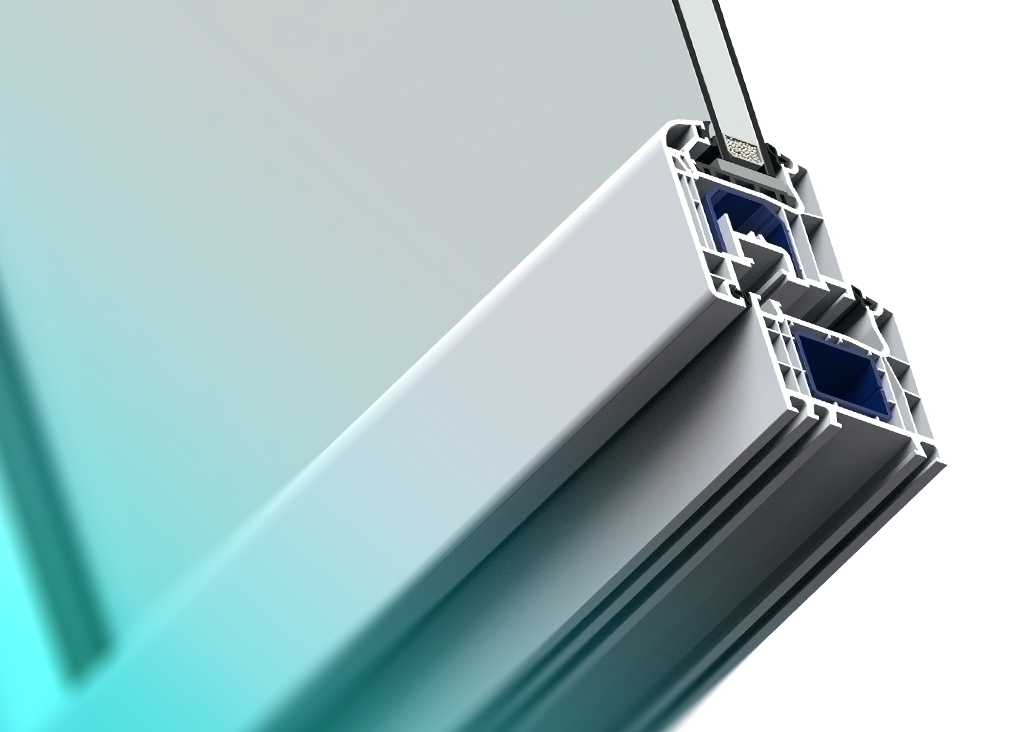
(PVCU) Rigid PVC Compounds
Rigid PVC compounds have Shore D qualification. Compounds suitable for extrusion and injection proce...
Learn more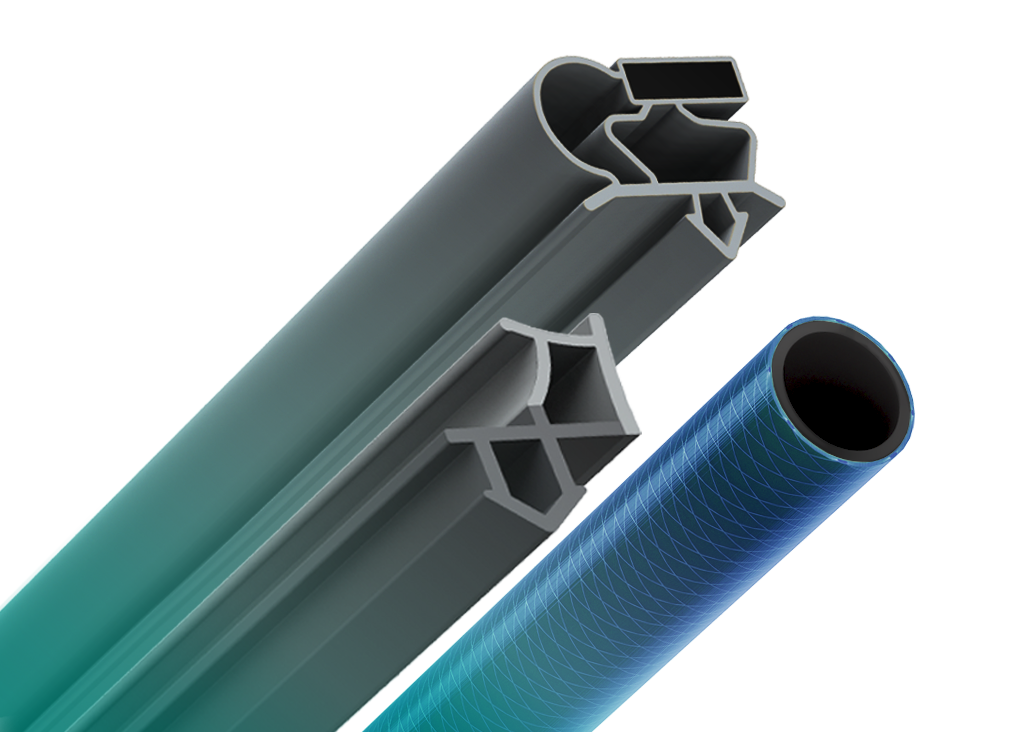
(PVCP) Soft PVC Compounds
Soft PVC Compounds have a flexible structure and easy to process properties. They are suitable for i...
Learn more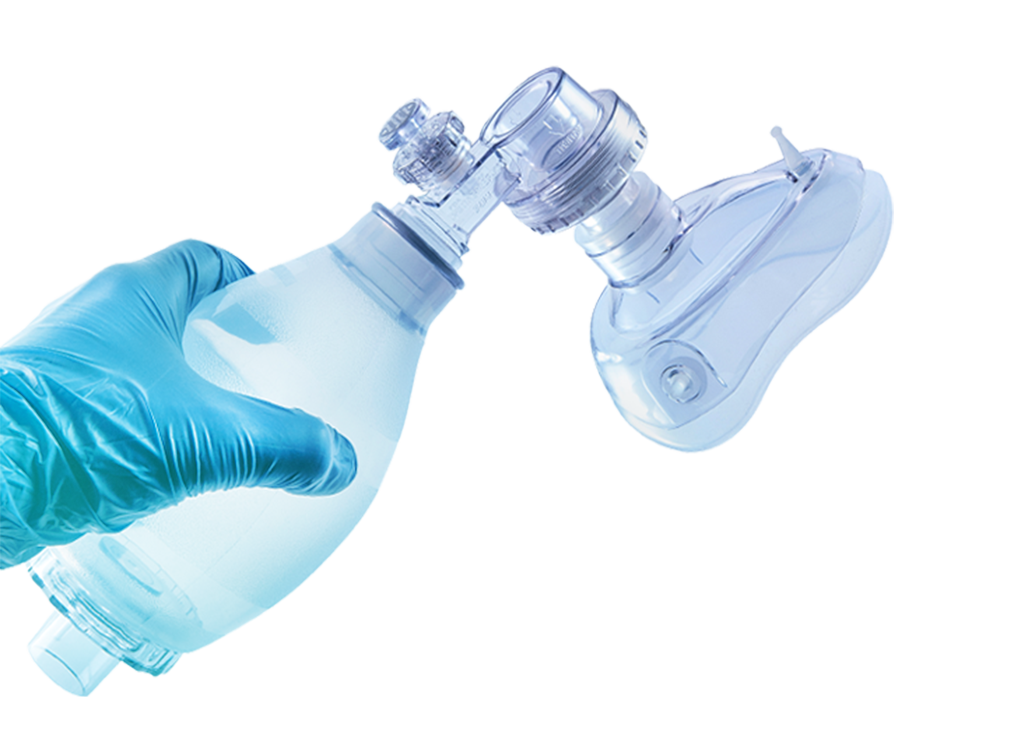
Medical Grade PVC Compounds
Medical PVC granules are suitable for injection and extrusion processes. They are produced in accord...
Learn more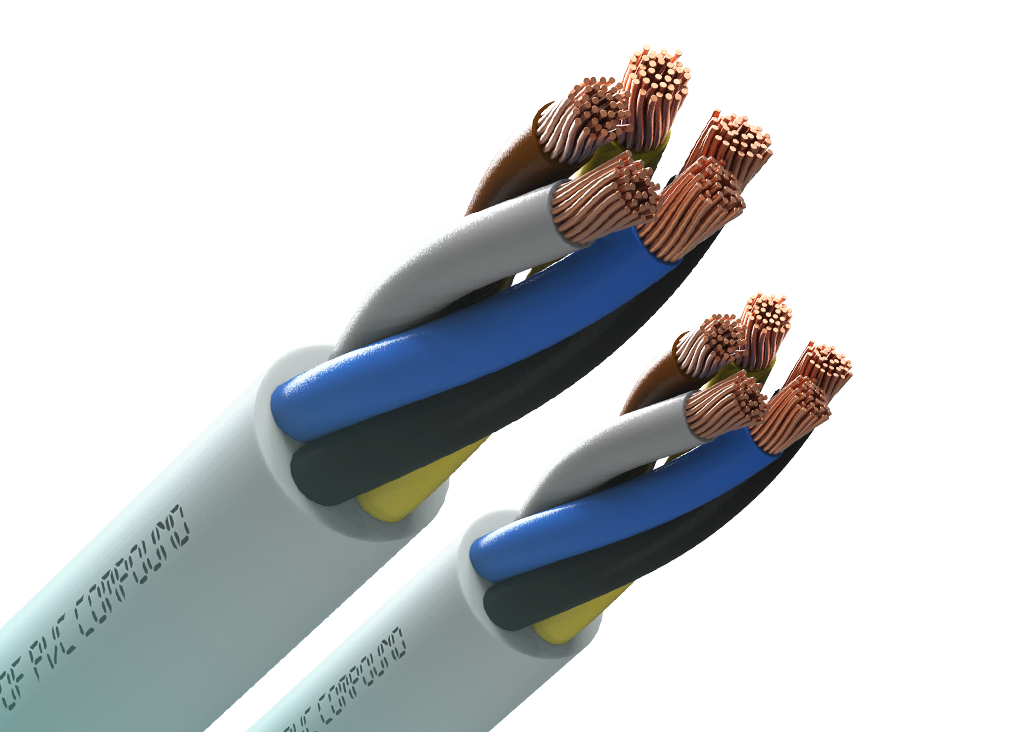
HFFR Bedding Compounds
Halogen-free Granules are non-flammable. The test process is completed in accordance with EN 60811 t...
Learn more


